Downtown St Petersburg Living: A Local Guide
February 5, 2026
February 5, 2026
Picture this: you step out of your building and in five minutes you’re on a palm-lined waterfront path with sailboats in view and a latte in hand. If you’re drawn to walkable streets, arts and dining, and a condo lifestyle with views, downtown St. Petersburg might be your perfect fit. In this guide, you’ll get a clear look at daily life, housing and HOA realities, commutes, and the practical checks smart buyers make before they write an offer. Let’s dive in.
Downtown St. Petersburg centers on a compact, pedestrian-friendly core east of I-275, with short blocks, wide sidewalks, and street-level shops and cafes. Many daily errands can be done on foot or by a quick bike or scooter ride. You’ll notice the difference by block: waterfront corridors and shopping streets feel especially walkable, while a few interior streets carry more vehicle traffic and have fewer storefronts.
If you want a lifestyle where the grocery, your gym class, and dinner are close together, you’ll appreciate the layout. Plan to explore at a walking pace before you buy. It helps you see your real-world routes for coffee, pharmacy runs, and your favorite parks.
The waterfront is the heartbeat of downtown life. You’ll find linear parks, marinas, promenades, fishing spots, and open lawns for festivals, markets, and outdoor workouts. Year-round programming keeps weekends lively, and easy water access supports boating, kayaking, and paddleboarding. To see current park and event information, check the City of St. Petersburg’s updates and calendars through the official city site.
Weather shapes daily routines. Summers are hot with frequent afternoon storms, so earlier walks or evening outings are popular. Visitor traffic rises during peak season and major events, which adds energy but can also increase crowds and parking demand. If you love an active waterfront scene, you’ll likely thrive here.
Downtown has a strong cultural pulse. Museums, performing arts venues, galleries, and murals anchor a robust arts ecosystem, with regular festivals and evening events. That means plenty of choices for date night or a last-minute plan with friends. For a snapshot of what’s happening, explore the St. Petersburg Arts Alliance for arts news and calendars.
Dining is dense and dynamic. You’ll find casual cafes, seafood spots, bistros, and special-occasion restaurants within a few blocks of each other. New openings are common, so it’s easy to mix in fresh finds with your tried-and-true favorites. Just note that weekends bring a lively scene and higher foot traffic in concentrated nightlife blocks.
Living downtown keeps essentials close. Several grocery options, specialty markets, and pharmacies sit within or near the core. Health care is accessible across the city, and you benefit from being part of the broader Tampa Bay network of clinics and hospitals.
If you have kids or are planning ahead, school options depend on your exact address. To confirm zoning and available programs, use Pinellas County Schools. Since single-family homes with large yards are less common downtown, some families choose nearby residential neighborhoods while still enjoying downtown’s amenities.
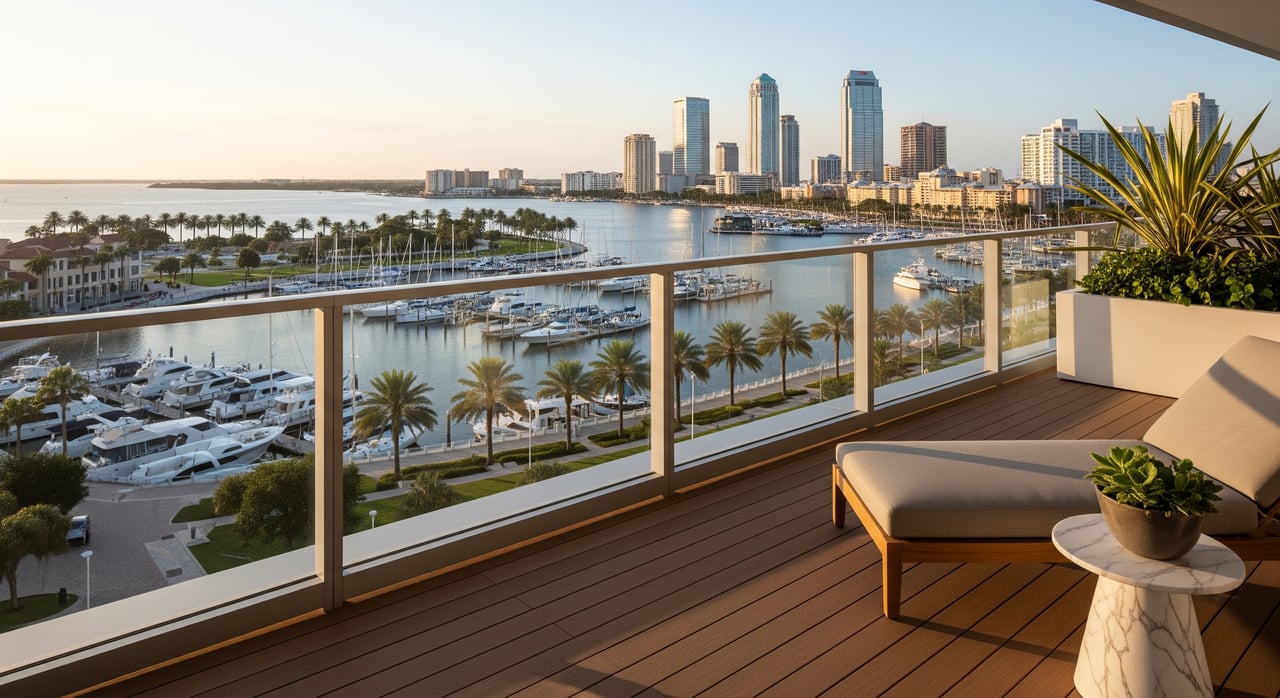
Most downtown housing options are condominiums in mid-rise and high-rise buildings, along with boutique buildings, lofts, and some townhomes on the edges of the core. Units are often smaller than suburban homes, with floor plans designed for efficiency and views. Balconies and floor-to-ceiling windows are typical in newer towers, and waterfront or skyline vistas come at a premium.
You’ll see a mix of owner-occupied and rental units. Seasonal or short-term rentals may exist but are regulated. Always verify local ordinances and the condo’s bylaws, especially if you plan to rent your unit part or all of the year.
In condo living, HOA fees carry a lot of value and responsibility. Fees often cover amenities like pools and gyms, building insurance, reserves, and sometimes utilities. In waterfront high-rises, these fees can be significant. Ask for the building’s budget, latest reserve study, and any recent or upcoming special assessments so you understand the financial picture.
Building age matters. Older buildings can come with deferred maintenance or planned capital projects such as roofs, elevators, or exterior repairs. While newer buildings may offer updated systems and amenities, they can also have higher purchase prices. Request board meeting minutes and any engineering or inspection reports during due diligence.
Pet policies and rental rules vary by building and can change. Confirm the bylaws, plus any pending amendments in the pipeline. If you have a pet, check size and breed limits, and clarify where pets are allowed on the property. If rentals factor into your plans, verify minimum lease periods and any caps or waitlists.
Most buildings offer at least one deeded space per unit, though guest parking is limited and may involve paid garages or on-street options. Views affect value, with waterfront and higher-floor outlooks commanding premiums. If you’re sensitive to noise, prioritize buildings set back from major corridors or consider higher floors. Visit in the evening and on weekends to gauge nightlife activity and event impacts.
Downtown is coastal and low-lying in places, so flood and storm exposure require a close look. Many lenders will require flood insurance if the property is in a flood zone, and premiums can be higher along the waterfront. For property-specific insight, check FEMA’s Flood Map Service Center and request an elevation certificate if applicable. You can also review county-level flood information through Pinellas County’s flooding resource hub.
Florida building codes set wind-resistant construction standards, but hurricane planning is still essential. Ask your association about hurricane preparedness, building protections, and coverage under the master policy versus individual condo policies. For broader readiness guidance, consult the Florida Division of Emergency Management.
Drivers reach I-275 quickly and connect to Tampa via bridges like the Gandy and Howard Frankland. Travel times vary by rush hour and event schedules, so do a few test drives at your typical commute time. Local streets can bottleneck during festivals or waterfront events, and parking garages fill quickly at peak times.
Transit is an option for many trips. The Pinellas Suncoast Transit Authority operates local routes and express services; check current schedules and routes with PSTA to see if they fit your commute. Seasonal ferry or water taxi services may exist for leisure, but they are not primary commuting options.
Downtown is bikeable, with bike lanes on select streets and shared-use paths. Micromobility options like e-scooters or bikeshare often make short trips easier. Heat and humidity can shape your habits, so plan morning or evening rides when the forecast is warm.
Street parking in the core is limited and often time-restricted. Buildings typically include assigned spaces, but guest parking is tight, especially on weekends and during events. For visitors, paid garages and lots are widely used.
Downtown condos usually carry a premium for location, views, and amenity access compared with suburban Pinellas neighborhoods. Market conditions change with supply, new construction, and seasonality. Winter months often bring more seasonal buyers, which can influence inventory and pricing. For current pricing and inventory, ask your agent for the latest MLS snapshots and comparables.
Urban cores can see more property and petty crime in commercial areas, and conditions vary by block. Review local police reports and neighborhood maps for a specific address to get the clearest picture. You’ll also notice active public safety presence during large events, which helps manage crowds and traffic.
Construction is part of a growing downtown. While it can create short-term disruption, it often delivers long-term gains in services and amenities. If you prefer a quieter setting, consider buildings set back from nightlife corridors or units on higher floors.
If you want a lifestyle where you can walk to dinner, run along the water, and catch a gallery opening on the same night, downtown St. Petersburg delivers. You trade larger private spaces for proximity, views, and a vibrant cultural scene. With careful due diligence on HOA health, flood and insurance details, and building rules, you can enjoy the best of city-by-the-bay living.
When you are ready to tour buildings, compare HOA documents, and hone in on the right fit, reach out to Hope Kent. You’ll get attentive, boutique guidance with the reach and polish of a premier luxury brokerage.
Get assistance in determining current property value, crafting a competitive offer, writing and negotiating a contract, and much more. Contact me today.