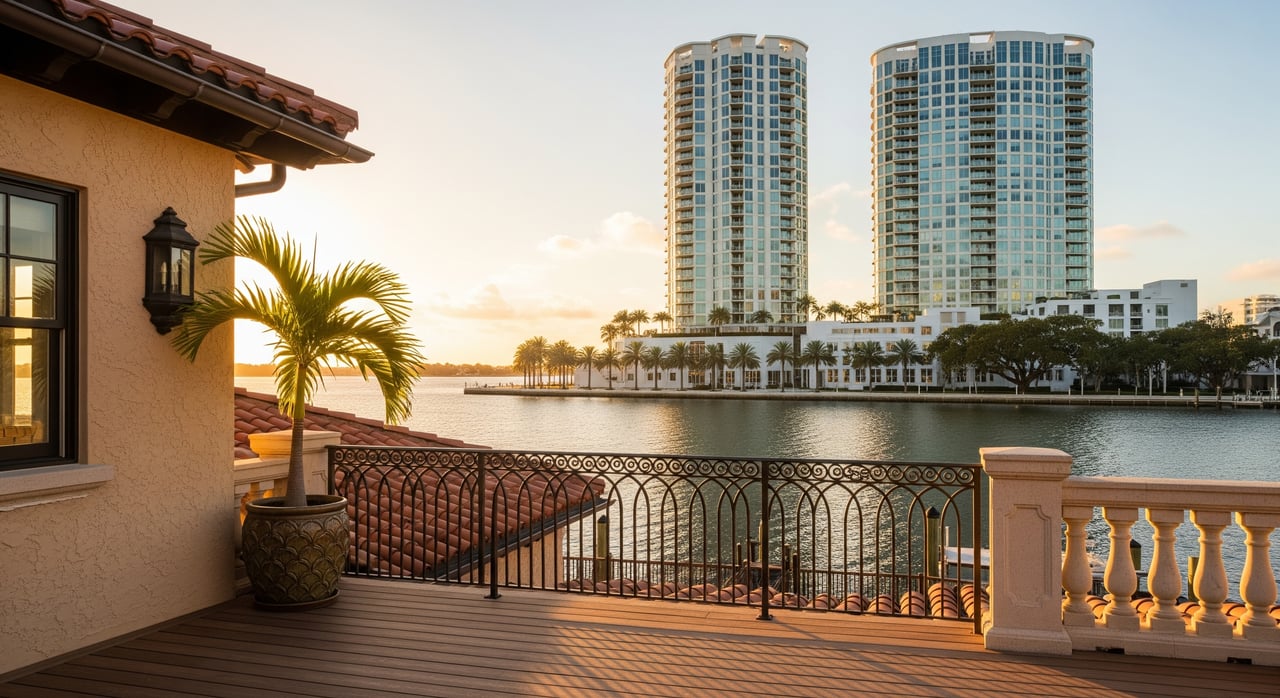
You are choosing between the energy of a brand‑new tower and the character of an established building in downtown St. Petersburg. It is an exciting decision, and it comes with real tradeoffs in cost, risk, and lifestyle. In this guide, you will learn how to compare monthly expenses, assessments, amenities, build quality, incentives, financing, and local risk so you can buy with confidence. Let’s dive in.
What to compare first: monthly cost
Your monthly housing cost is more than the mortgage. In downtown St. Petersburg, the HOA fee is often the biggest swing factor between a new build and a resale.
HOA fees and amenities
- New luxury towers often bundle extensive amenities and staffing. Think concierge, valet, rooftop pools, and fitness centers. These features improve daily life but usually raise the monthly HOA.
- Resale buildings vary widely. A modest mid‑rise with limited amenities may carry lower dues. Older luxury towers can trend higher if operating costs and maintenance have grown over time.
- Ask for the current fee, what it covers, and any stated increases in the budget.
Insurance and flood context
- Associations carry a master policy, and you carry an HO‑6 policy for your interior, personal property, and loss assessment coverage. If the building is in a FEMA flood zone, flood coverage may be required by your lender.
- Verify master policy limits and deductibles, especially wind or hurricane deductibles. Confirm whether flood is covered by the master policy or by individual owners.
- Downtown proximity to Tampa Bay means certain blocks are in flood zones. Confirm the building’s flood zone and whether it has an elevation certificate.
Taxes and utilities
- Property taxes are based on assessed value. New units sometimes show temporary assessment differences in early years. Budget using realistic market values for your unit type.
- Some buildings include cable, internet, or utilities in the HOA. Get a clear list of what is included before you compare options.
Calculate your true monthly cost
Create an apples‑to‑apples comparison for each condo you are considering:
- Mortgage principal and interest: $____ per month
- HOA fee: $____ per month
- Property tax: annual amount divided by 12 = $____ per month
- Owner insurance: HO‑6 and any flood divided by 12 = $____ per month
- Utilities and other recurring fees: $____ per month
- Parking or storage fees: $____ per month
- Estimated assessment allowance: if a project is planned, estimate the monthly impact = $____ per month
- Total monthly housing cost: sum of all items above
Assessments and reserves
Special assessments can change your cost picture. The best predictor of risk is the reserve study and the association’s financials.
New construction reserves
- Initial reserve funding depends on the developer and state requirements. Some projects start with lean reserves to keep early costs low, which can raise the chance of a future assessment.
- Rich amenity packages delay major capital work early on but will face lifecycle replacements later. Ask for the long‑term maintenance plan.
Resale building realities
- Older towers may be underfunded if maintenance was deferred. High‑rise envelopes, elevator systems, balcony waterproofing, and mechanicals are common big‑ticket items.
- Well‑managed associations can have strong reserves and clear replacement schedules. The documents tell the story.
Documents to review
- Reserve study and current reserve balance
- Current budget and 3 to 5 years of financial statements
- Board meeting minutes for 12 to 36 months to spot planned projects
- Special assessment history and any pending notices
Amenities and lifestyle tradeoffs
Choose amenities you will actually use and are comfortable paying for.
Staffed services
- Concierge and valet create a luxury experience and add real convenience for packages and guests.
- Staffing is a material operating cost, which typically raises HOA fees.
Parking, storage, and waterfront costs
- Assigned parking, guest parking policies, and storage can affect your monthly budget.
- Waterfront elements like docks or seawalls increase maintenance needs in some associations.
New versus established vibe
- New towers deliver modern design and amenity spaces from day one.
- Resale buildings can offer established communities and known service histories. In downtown St. Petersburg, you might compare a boutique mid‑rise to a high‑rise like Signature Place or resort‑style residences near the Vinoy, depending on your lifestyle.
Build quality, warranties, and repairs
There is no universal winner. Focus on factual condition, warranties, and the association’s plan for capital work.
New construction advantages and tradeoffs
- Pros: built to current code, modern systems, energy efficiency, and transferable builder warranties that can range from 1 to 10 years depending on the item.
- Cons: early “teething” issues and punch‑list items, plus limited visibility into long‑term performance.
Resale advantages and tradeoffs
- Pros: known maintenance history and visible wear or upgrades that you can evaluate. Issues may be priced in or negotiated.
- Cons: older systems and possible deferred work such as windows, balconies, or re‑plumbing that may lead to assessments.
Inspections and specialists
- Hire a condo‑experienced home inspector. For high‑rises, ask about the building envelope and mechanicals where possible.
- If minutes or reports raise concerns, consult a structural or civil engineer.
- Engage a Florida‑savvy insurance broker to quote HO‑6 and flood so you can budget accurately.
Negotiation, incentives, and pricing
Look beyond list price to the effective cost once incentives and credits are added.
New construction concessions
- Developers often offer closing cost contributions, upgrades, short‑term rate buydowns, temporary HOA credits, or parking incentives.
- Flexibility increases when inventory ages or during slower sales phases.
Resale flexibility
- Sellers adjust based on supply, demand, and motivation. You may negotiate closing costs, price reductions, or timing.
- Appraisal contingencies can drive renegotiation if comparable sales are thin.
Compare effective price
- Tally the value of closing credits, upgrades, and temporary fee reductions.
- Focus on total monthly cost plus your expected 3 to 5 year capital exposure based on the reserve study.
Financing and timeline in St. Pete
The right financing plan depends on whether the unit is complete or under construction and whether the project meets lender guidelines.
Typical closing timelines
- Resale: 30 to 60 days is common, depending on lender and association approval timelines.
- New, completed units: similar to resale once certificates are issued.
- Pre‑construction: delivery depends on the construction schedule and can span months to years.
Project approvals and appraisals
Lenders and agencies like Fannie Mae and Freddie Mac have condo project eligibility rules. Some new projects are not immediately eligible for certain government programs.
Appraisals in new luxury developments can be challenging when recent comparable sales are limited. Be prepared with strong comps and builder documentation.
Association approvals and rules
- Many associations require buyer applications and may take time to approve. Build this into your closing timeline.
- Review rental policies and minimum lease terms if you plan to rent the unit in the future.
Local safety and regulatory checks
Protect your investment by confirming safety and compliance in addition to amenities and finishes.
Flood zones and elevation
- Verify the building’s FEMA flood zone and ask whether mechanical systems are elevated above likely flood levels.
- If the garage is below grade, consider the flood exposure for vehicles.
Recertifications and inspections
- Florida increased oversight on condo safety. Ask whether the building is current with any required structural recertifications or special inspections and request recent reports or engineer letters if available.
Rental and guest policies
- Downtown demand for short‑term rentals is strong, but many associations limit short stays. Confirm minimum lease terms and any caps before you buy.
Quick downtown due diligence checklist
Use this list to streamline your comparison between a new build and a resale condo:
- Declaration, bylaws, and rules and regulations
- Current budget, financials, and the most recent reserve study
- Reserve balance detail and board meeting minutes for 12 to 36 months
- Master insurance declarations with limits and deductibles
- Special assessment history and any pending project notices
- Seller’s property disclosure and repair receipts
- Builder warranty documents and punch‑list reports for new units
- Certificate of occupancy if recently completed
- Flood zone verification and any elevation certificate
- Building permits, recent inspections, and any recertification status
- Rental and pet policies
Which is right for you?
Choose the option that best fits your lifestyle, monthly budget, and risk comfort.
- Choose new construction if you value modern systems, full‑service amenities, and builder warranties, and you are comfortable with higher dues for added convenience.
- Choose a resale if you want lower monthly fees in a modest building or prefer an established association with a well‑documented maintenance history.
- In both cases, your best protection is a careful review of reserves, minutes, insurance, flood exposure, and upcoming capital projects.
If you want a clear, side‑by‑side comparison of your top downtown St. Petersburg options, concierge‑level guidance, and help coordinating lenders, inspectors, and insurance quotes, reach out to Hope Kent. Let’s connect and make your next move smooth and confident.
FAQs
What costs differ most between new and resale condos in downtown St. Petersburg?
- HOA fees and staffing, insurance and flood costs, and reserve funding for future projects are the biggest drivers of monthly differences beyond your mortgage.
How do special assessments work in Florida condos?
- Associations levy assessments to fund projects not covered by reserves. Review the reserve study, minutes, and financials to gauge likelihood and size over the next 3 to 5 years.
Is flood insurance required for downtown St. Petersburg condos?
- If the building is in a FEMA flood zone and you have a mortgage, flood coverage is typically required. Even without a loan, many owners carry flood for added protection.
How long does it take to close on a condo in downtown St. Petersburg?
- Most resale closings take 30 to 60 days, depending on financing and association approvals. New, completed units follow similar timelines, while pre‑construction depends on delivery.
Are new condo projects in St. Petersburg eligible for FHA or VA loans?
- Some are and some are not. Eligibility depends on condo project approvals and lender guidelines. Ask your lender to confirm the project’s status early.
What documents should I review before buying a condo in downtown St. Petersburg?
- Request the declaration, rules, current budget, financials, reserve study, insurance declarations, meeting minutes, assessment history, and for new units, builder warranties and the certificate of occupancy.