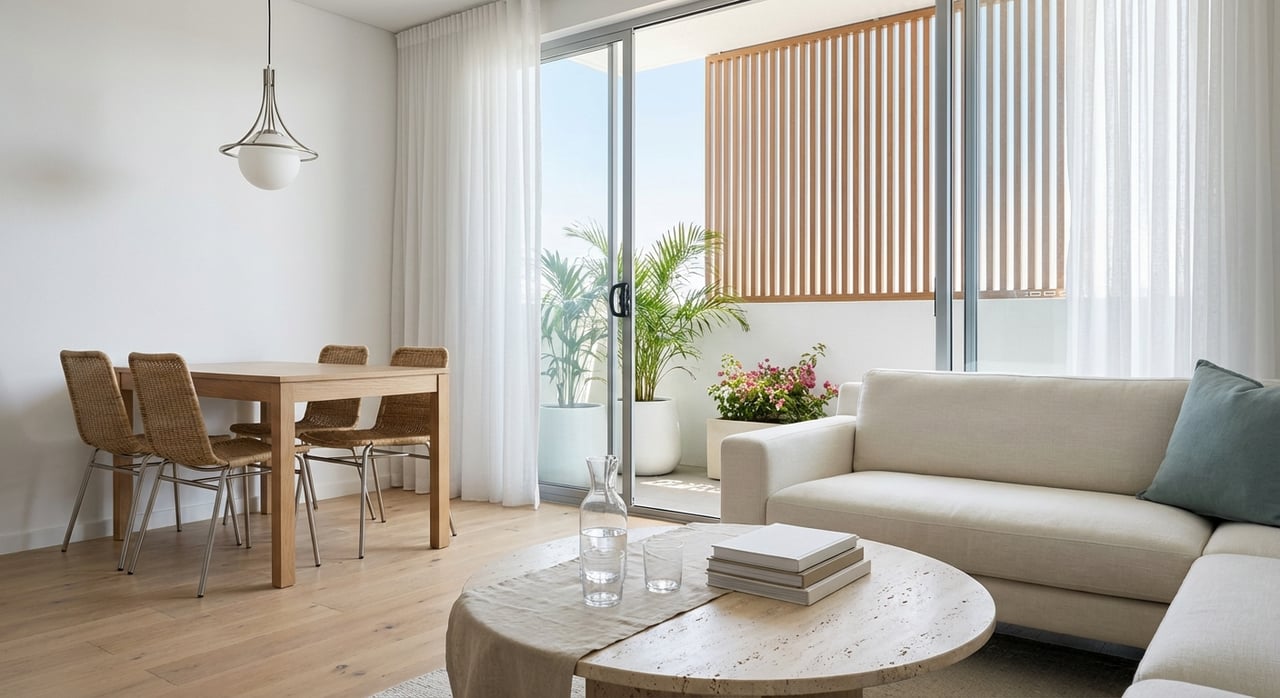
Thinking about listing your downtown St. Pete condo and want it to move quickly at a strong price? You’re not alone. Buyers here fall in love with light, views and walkability, so the way you stage and present your space matters. In this guide, you’ll get a clear, condo-specific staging plan, a simple pre-listing timeline, and pro media tips that help you stand out and sell fast. Let’s dive in.
Understand downtown buyer priorities
Downtown St. Petersburg buyers often focus on lifestyle first: bright interiors, a usable balcony, and proximity to Beach Drive, the Pier and arts districts. Many compare units across several buildings and expect efficient layouts, clean finishes and strong amenity presentation. You’ll create an edge by staging for light and flow, then backing it up with organized building and insurance information.
Two realities shape buyer decisions:
- Many buyers prioritize views, natural light and walkability over square footage.
- Flood, insurance and HOA health can affect financing and pricing. Be ready with clear disclosures and proof of building maintenance to build confidence. You can verify a building’s designated flood zone through the official FEMA Flood Map Service Center.
Your 8–12 week pre-listing plan
A simple timeline keeps you on track and prevents last-minute delays.
- 8–12 weeks out: Request your condo estoppel/resale package from the association and confirm any planned or recent capital improvements. Florida’s Chapter 718 outlines timelines and contents for these documents, so start early to avoid contract delays. Review the statute details at Florida Statutes, Chapter 718.
- 6–8 weeks out: Deep clean, declutter, make minor repairs, and book a stager consult. The National Association of REALTORS offers a helpful overview of proven prep steps in its staging field guide.
- 2–4 weeks out: Install final staging, style the balcony, and schedule professional photos and video. If you have water or skyline views, plan a twilight photo session.
High-impact condo staging moves
Declutter and depersonalize
Pack away about half of visible personal items. Clear most kitchen and bath surfaces. This helps rooms read larger and makes your photos clean and inviting. Industry guidance repeatedly ranks cleaning and decluttering among the most impactful steps for sellers.
Right-size furniture and layout
Use smaller-scale, low-profile pieces that don’t block sightlines. Remove oversized furniture and arrange the living room to show clear traffic paths. If space allows, demonstrate a simple work area to highlight versatility.
Showcase views and the balcony
Make windows and sliders spotless. Replace heavy drapes with light sheers or remove them if privacy allows. On the balcony, add a compact bistro set or two lounge chairs and a small plant. During showings, open blinds to frame any skyline or water views. For listings with strong outlooks, discuss twilight shots with your photographer. For tips on media that boosts buyer interest, see this guide to effective real estate photo presentation.
Light and a coastal-friendly palette
- Paint: Choose light, warm neutrals or soft coastal hues so rooms feel bright and modern. Keep any “beach” accents subtle and focused on art or textiles.
- Lighting: Layer ambient, task and accent light. Fit LED bulbs in living areas around 2700–3000K for a welcoming, soft-white glow. Learn the difference between soft white, bright white and daylight in this primer from LEDVANCE.
Kitchens and baths that pop
Clear countertops, replace tired hardware if needed and refresh grout and caulk. Small, clean updates in these spaces deliver outsized impact for condo buyers. The NAR staging field guide highlights these as top priorities.
Flooring and visual continuity
Deep clean floors and consider removing worn carpet if budget allows. Consistent flooring across living spaces helps compact condos feel larger in person and online.
Stage storage to show capacity
Edit closets until they are two-thirds full or less. Use matching hangers, organize shelves and label tasteful bins. Show any assigned storage clearly in photos and during tours.
Vacant, occupied or virtual staging?
- Occupied: A consult plus selective staging in the living room, primary bedroom and balcony is often the best value. A pro can rework what you own and layer in key additions. The Real Estate Staging Association shares useful planning insights at RESA.
- Vacant: Empty rooms can feel small. Furniture rental gives buyers a sense of scale and use. Ask for a quote by room and duration so you can budget with confidence. RESA provides helpful industry benchmarks.
- Virtual: It’s budget-friendly for photos, but it must be disclosed clearly on each image and in listing remarks. See disclosure best practices at Virtual Staging. Always include at least one unedited photo of each room.
Photography and media that sell
Why visuals matter
Online, your photos and video are your first showing. Professional media increases views and qualified showings. Work with a photographer experienced in small-space composition and realistic HDR processing. For a deeper look at what resonates with buyers, review this guide to compelling real estate photo editing and strategy.
A downtown-friendly shot list
- Building exterior and entry context
- Amenities and lobby or concierge desk
- Living area wide shots plus a clean vignette
- Kitchen, primary bedroom and primary bath
- Balcony with seating and the best view angle
- Storage features if they are a selling point
- Parking or garage spot if notable
- Neighborhood lifestyle scenes when appropriate
Video, 3D tours and floor plans
Short walk-through videos and 3D tours help remote buyers and reduce wasted showings. They also make compact floorplates easier to understand. If possible, include a simple floor plan for scale.
Drones and rules to know
Aerials can highlight waterfront proximity and skyline context. Before booking, confirm building policies and hire a pilot who follows FAA UAS rules. Some associations restrict drone flights or require approvals.
Reduce buyer risk with transparency
In Florida, buyers and lenders pay close attention to flood zones, building insurance and HOA reserves. Clear, early documentation earns trust and can protect your price.
- Estoppel/resale docs: Order early and verify what the association will deliver and when, as outlined in Florida Statutes, Chapter 718.
- Flood and insurance: Include a flood-zone map excerpt from FEMA and any proof of mitigation, such as impact windows or recent roof work at the building level if applicable.
- HOA health: Summarize recent capital projects, reserves and any approved assessments. Organized, easy-to-read information reduces uncertainty.
Common objections you can address upfront:
- “HOA fees or special assessments”: Provide a reserves summary, recent board minutes regarding capital work and proof of completed improvements.
- “Small rooms or storage”: Show convertible furniture, staged closets and any assigned storage areas.
- “Insurance or flood risk”: Share the flood map excerpt and note mitigation measures already in place.
Budget and expected return
A well-planned staging budget is usually modest compared to the potential payoff in speed and final price.
- Consultation and partial staging: Often a few hundred to a few thousand dollars depending on scope and building size. The NAR staging field guide and RESA both note that staged homes commonly see shorter days on market and improved buyer appeal.
- Vacant staging: Furniture rental is higher and priced by room and duration. A common rule of thumb is roughly 0.5 to 1.0 percent of list price for an initial staging period, but confirm local quotes.
Ready-to-use checklist
Use this list to keep your downtown St. Pete condo on track for a fast, polished launch.
Paperwork and logistics
- Order estoppel/resale package and confirm elevator/move policies.
- Gather HOA summary, recent capital work, insurance details and flood-zone map.
- Prepare a one-page buyer handout with key facts and recent improvements.
Repairs and refresh
- Fix leaky faucets, squeaks and loose hardware.
- Touch up paint in high-traffic areas; consider light, warm-neutral walls.
- Deep clean, especially kitchens, baths and windows/sliders.
Staging essentials
- Remove about half of personal items; edit shelves and countertops.
- Swap or remove oversized furniture; open sightlines to windows and views.
- Style the balcony with compact seating and greenery.
- Layer lighting with soft-white LEDs around 2700–3000K.
Photo-day setup
- Hide cords, remotes, trash cans and pet items.
- Open blinds, turn off reflective overheads, and turn on lamps.
- Set two styled items on each counter max; add fresh towels in baths.
Media and marketing
- Book a pro photographer and discuss a twilight session.
- Add a short walkthrough video and 3D tour for scale and flow.
- Verify any drone work follows FAA guidance and building policies.
With a clean, light-forward look and organized HOA information, your condo will feel turnkey and trustworthy. That combination drives clicks, showings and stronger offers.
Ready for a customized plan for your building and price point? Reach out to Hope Kent for a walk-through, a detailed staging strategy and concierge marketing to launch your listing with confidence.
FAQs
What makes staging a downtown St. Pete condo different?
- You focus on light, views and balcony use over yard space, and you prepare clear HOA, insurance and flood documentation to reduce buyer uncertainty.
How far in advance should I start staging and prep?
- Start 8–12 weeks before listing to secure HOA documents, complete refresh projects and book professional media without rushing.
Which rooms matter most when I’m on a budget?
- Prioritize the living area, kitchen, primary bedroom, primary bath and balcony; these spaces shape first impressions online and in person.
Do I need professional photos if my condo is small?
- Yes. Skilled composition and lighting help compact rooms feel open and true-to-life, which increases qualified showings.
Is virtual staging allowed in our MLS?
- Usually, but every image must be clearly labeled as virtually staged and remarks should disclose it; follow best practices from your board and Virtual Staging.
How can I address buyer concerns about flood or insurance?
- Include a FEMA flood-zone map excerpt, note any mitigation like impact glass and share recent insurance information and HOA updates to build confidence.