Gulf Front vs Intracoastal Homes in Redington Beach
November 21, 2025
November 21, 2025
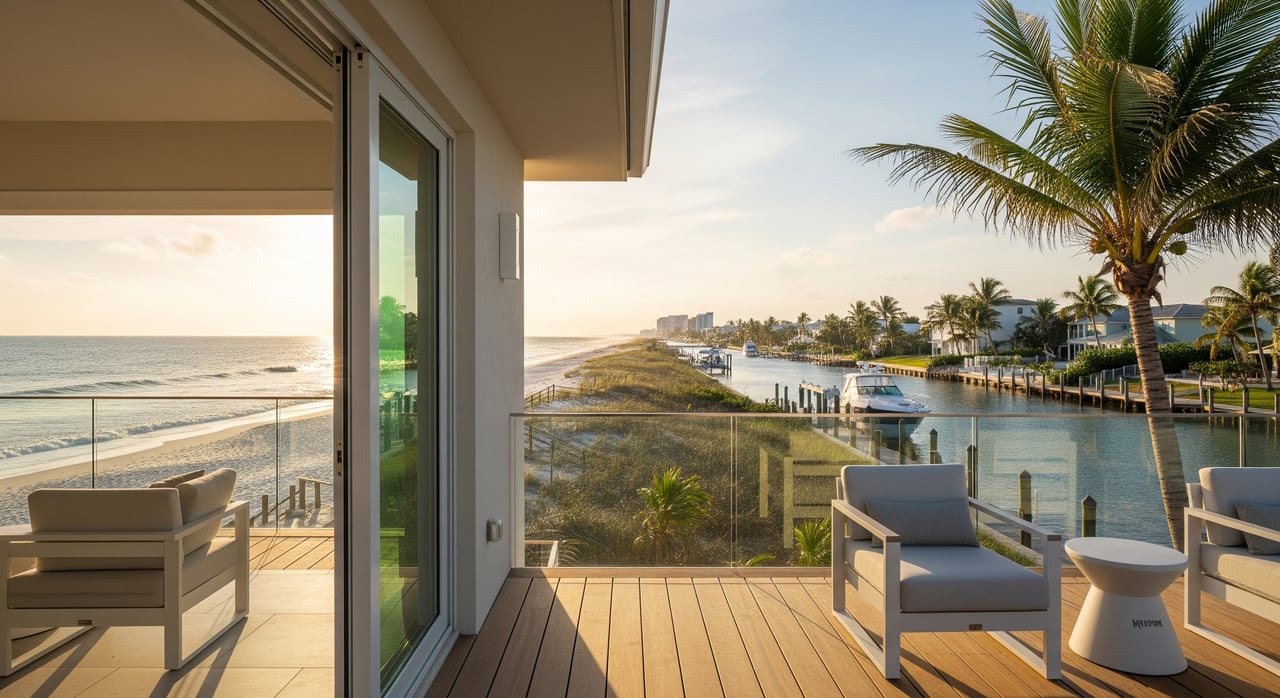
Choosing between the Gulf and the Intracoastal in Redington Beach can feel like picking between two perfect postcards. Do you want waves and sunsets or calm water and a private dock? You are not alone in the decision. This guide breaks down the real, day-to-day differences, the rules and risks that matter, and the resale factors you should know, so you can choose with confidence. Let’s dive in.
Redington Beach sits on a narrow barrier island in Pinellas County. The Gulf side faces open water and nightly sunsets. The bayside faces Boca Ciega Bay and the Gulf Intracoastal Waterway.
Because the island is narrow, gulf-front and intracoastal homes can be only a street apart, yet they live very differently. Local maps and zoning are managed by the Town of Redington Beach, Pinellas County GIS and the Pinellas County Property Appraiser. Flood zones are determined by FEMA’s National Flood Insurance Program maps.
Gulf-front living gives you direct beach access and unobstructed westerly views with daily sunsets. You step off the boardwalk and you are in the sand. That seamless beach lifestyle is why gulf-front commands a premium.
Intracoastal living gives you protected water views, often with a quieter shoreline. The aesthetic is boats, docks, mangroves and smooth water. Sunrises can be more visible on this side, while sunsets tend to be better on the Gulf.
Gulf-front homes typically do not have private deep-water docks. The open beach and surf make private docking impractical, so gulf-front owners usually rely on nearby marinas, public ramps, or trailering.
Intracoastal homes are built for boating. Many have private docks and lifts with direct access to protected waters and the GIWW, which is maintained by the U.S. Army Corps of Engineers. Water depth, channel access and bridge clearances vary by parcel, so verify the specifics for your intended boat size.
Gulf-front areas near public beach accesses can see higher foot and bike traffic. That can reduce privacy at peak times and bring seasonal parking pressure.
Intracoastal homes tend to be quieter at the waterline. You will likely see neighbors from dock to dock, but there is far less public foot traffic along the shore.
Both sides of the island sit in coastal flood zones. Many gulf-front parcels are in higher-risk VE zones with wave action, and some intracoastal parcels are in AE or VE zones depending on exposure. Elevation certificates are essential for accurate flood insurance quotes and for permitting. While the intracoastal is more sheltered, storm surge can still arrive through nearby passes and channels during strong storms.
Florida Building Code requires coastal wind and flood-resistant construction, including elevated foundations in flood zones. On the beach side, the Coastal Construction Control Line and dune protection rules limit what and where you can build. On the bayside, docks and seawalls require permits from local and state authorities. The Town of Redington Beach and Pinellas County handle local permitting, so start those conversations early.
Intracoastal homes commonly rely on bulkheads or seawalls. These structures need regular inspection and maintenance, and they eventually require repair or replacement. Boat wake can accelerate wear.
Gulf-front homes deal more with erosion, dune health and beach access structures like stairs or boardwalks. Seawalls are less common on open beaches, where dune restoration and beach nourishment are the typical stabilization tools.
If you finance the purchase, flood insurance is typically required in mapped flood zones. Premiums depend on many details, including your FEMA zone, elevation, structure type and distance to the water. VE-zone gulf-front homes often see higher premiums because of wave exposure. Wind and storm coverage on either side of the island can carry higher deductibles. Availability in Florida’s private market can change, so gather multiple quotes, including options from private carriers and Citizens if applicable.
Gulf-front maintenance focuses on sand and salt exposure, dune care and upkeep of access walkways. Salt and wind can accelerate corrosion of exterior metals and mechanical systems.
Intracoastal maintenance centers on seawalls, docks and pilings. Seawall replacements can be significant, sometimes tens of thousands to hundreds of thousands, depending on length, access and materials. A recent seawall report or inspection history helps you budget for the future.
Gulf-front homes usually trade at a premium due to unobstructed views and direct beach access. Supply is limited, which can support long-term value but also produce price swings and fewer comparables.
Intracoastal homes often price below true beachfront on a per-front-foot basis, but strong boater demand can lift values for properties with deep water, generous dockage and easy channel access.
Gulf-front attracts buyers focused on the immediate beach experience and daily sunsets. Intracoastal often draws boaters and buyers who prefer quieter, protected waters and private docks.
Both property types can perform in vacation rental markets, but outcomes depend on local ordinances, HOA rules, parking and management. Insurance needs and wear from guest turnover can differ, so budget accordingly and confirm all rules with the Town of Redington Beach and Pinellas County before you buy.
Gulf-front homes show best when sightlines to the water are open and beach access is well maintained. Intracoastal homes show best when docks, lifts and seawalls are in strong condition, and when water depth and boat access are documented. For appraisals and pricing, gulf-front comps are often scarce. Intracoastal valuations hinge on dock utility, depth and overall marine access.
Use your daily life as the deciding factor. Ask yourself what you will do most and what you want to see when you wake up.
Move forward with facts. Here is a simple, local checklist to use before you offer:
For the most accurate, parcel-level information, go straight to the source:
Both waterfronts in Redington Beach are special. Gulf-front gives you direct beach living and iconic views. Intracoastal gives you protected water, private dock options and a quieter shoreline. The right choice is the one that fits your daily rhythm and your tolerance for insurance, maintenance and access tradeoffs.
If you want a calm, local walkthrough of the options, expert help with flood and insurance details, and a strategic plan for resale, connect with a trusted advisor who lives this coastline every day. Reach out to Hope Kent for a personal game plan and property list tailored to how you want to live.
Get assistance in determining current property value, crafting a competitive offer, writing and negotiating a contract, and much more. Contact me today.